The Gratuity Problem Hurting Your Catering Delivery Fulfillment Rate
One structural gap in how gratuity flows to independent drivers is quietly undermining catering delivery coverage rates. Here's what's happening and...
Use our nationwide driver fleet or route orders across any DSP, and track every delivery in one dashboard, backed by a team that’s been doing this since 2013. Start with what you need, add what you want, and never get locked in.
See how brands control delivery, get practical advice for growing your catering program, and keep up with what’s changing in restaurant delivery.
4 min read
DeliverThat
:
Published
Updated
Corporate support can make it easier to grow a catering business, but a missing corporate playbook doesn’t have to mean a missed opportunity. For franchisees, catering can create a valuable revenue stream using many of the resources already inside the restaurant. The opportunity is figuring out how to turn that existing operation into a catering program that can reliably handle larger orders without creating chaos for the store.
That is exactly what Nick Panos and the Panos Restaurant Group have done across their seven Mellow Mushroom locations in the Atlanta area. During an episode of Delivering More, Nick shared how his team continued building its catering business even when there wasn’t a fully developed corporate program to follow. Over time, they created their own processes for menu planning, customer communication, staffing, delivery, and technology.
Building a catering program doesn’t necessarily mean building an entirely new menu. In fact, trying to make your restaurant look like a traditional catering company can create more problems than it solves. When Mellow Mushroom made an earlier push into catering, Nick recalled seeing menu options like pasta salad and chicken salad sandwiches. The problem was that those weren’t necessarily the foods customers associated with the brand.
Nick decided that to be successful, he needed to build a catering program around food the Mellow Mushroom restaurants were already equipped to make and actually aligned with the brand. That same principle can work for almost any restaurant concept.
Look at your current menu and ask:
Which items travel well?
What can your kitchen produce efficiently in larger quantities?
Which foods are easiest for groups to serve and share?
Where can bundles or packages make ordering easier?
Which menu items give you enough margin to support the extra work involved in catering?
Without a clear process, catering can quickly turn into another responsibility that gets dropped onto whoever happens to be working that shift. In those situations, growth can quickly start creating more work instead of more opportunity, which is why it helps to define ownership early. Determine who receives and confirms the catering order, communicates with the customer, prepares the kitchen, and checks that everything is ready before the driver arrives.
As Panos Restaurant Group grew its catering operation, it eventually developed a hub-and-spoke model. One restaurant became a central operations and training hub, with catering managers supporting surrounding locations.
Your structure may look completely different, but what matters is that you grow a catering business your team can repeat. If something works at one location, document it. Then determine what needs to stay local and what could eventually be standardized across your other stores.
Another lesson from Nick’s operation is that selling catering and executing a catering program require different skills. One person may be great at building relationships with office managers, finding new customers, and growing accounts. Someone else may be much better at making sure every order is prepared correctly and reaches the customer exactly as promised.
Smaller programs may need one person to wear both hats at first. As volume increases, however, separating those responsibilities can keep day-to-day execution from consuming all the time that should be spent growing the business.
A customer can place a regular takeout order without ever talking to someone at the restaurant, but catering is different. They may be ordering lunch for an entire office, feeding dozens of employees, or coordinating an important event, which means there is often more money and pressure involved. In those situations, a little communication can go a long way.
Nick’s team contacts catering customers before their orders to confirm the details and provide a direct point of contact. After the delivery, they follow up to make sure everything went well. This gives customers confidence that someone is paying attention, makes it easier to handle updates, and creates an opportunity to build a relationship instead of treating every order like a one-time transaction.
Catering growth often comes from repeat customers. Nick describes it as a compounding business: earn one customer, execute well, give them a reason to order again, and build from there. Over time, you are not starting from zero each month. You are growing a catering business on top of the relationships you have already built.
If an order shows up late, telling the customer that the problem came from a delivery provider usually won’t change how they feel about the experience. They ordered from your restaurant, so as far as they are concerned, the restaurant owns the outcome.
That makes delivery more than just getting something from point A to point B. It makes it part of the customer experience. Consider what should happen from the moment an order leaves your kitchen to the moment the customer begins eating.
What should the driver know before pickup?
How should the food be handled?
Where should they park?
Who should they contact upon arrival?
Is the order simply being dropped off, or does it need to be set up?
The more specific your standards are, the easier they are to repeat and maintain.
Nick’s team has chosen to build its own internal driver operation, giving the group more control over training and execution. For other franchisees, maintaining a dedicated driver team may not make operational or financial sense, and that’s okay. The important decision isn’t whether delivery is handled internally or through a partner; it’s whether the model you choose can consistently meet the standard you want associated with your restaurant.
As the business grows, manual processes that once felt manageable can become bottlenecks. Someone has to track orders, communicate with customers, assign deliveries, manage updates, keep notes, and make sure the right information reaches the right people.
Technology should make those jobs easier, so start by looking for repetitive work: Where is your team entering the same information twice? Where are people relying on texts or spreadsheets to keep track of important order details? Where does one employee hold information that the rest of the operation needs?
Nick has taken this idea particularly far, building custom technology to support parts of his catering operation. Not every restaurant needs to go to the same lengths; the important takeaway is to use technology when it removes friction from the operation, whether that means connecting ordering and delivery systems, improving visibility into order status, or creating a better way to document delivery information. The best technology should give your team less to manage, not another system to babysit.
You don’t need to know what your catering operation will look like five years from now before you start building it today. Instead, start with one location or one clearly defined operating model. Learn which menu items work, find where the kitchen gets slowed down, pay attention to the questions customers ask, and document delivery problems and what caused them.
From there, you can improve the process before adding more volume. As the program becomes more consistent, you can begin expanding it across locations, adding sales resources, introducing new technology, or pursuing larger catering opportunities.
Want to hear how Panos Restaurant Group built its approach firsthand? Watch the full Delivering More conversation with Nick Panos for more on growing catering across seven Mellow Mushroom locations, building customer relationships, managing delivery, using technology, and finding new opportunities in the catering market.
And when delivery becomes one of the pieces you no longer want your restaurant team managing alone, DeliverThat can help. Our professional delivery network, technology, and hands-on support are built to help restaurant operators grow catering without adding more operational strain.
One structural gap in how gratuity flows to independent drivers is quietly undermining catering delivery coverage rates. Here's what's happening and...
Learn how to modernize your catering tech stack with integrated tools that reduce manual work, improve visibility, and support scalable growth.
DeliverThat's Gratuity Lift Program ensures every delivery reaches drivers with a guaranteed gratuity payout — closing the 10-point fulfillment gap...
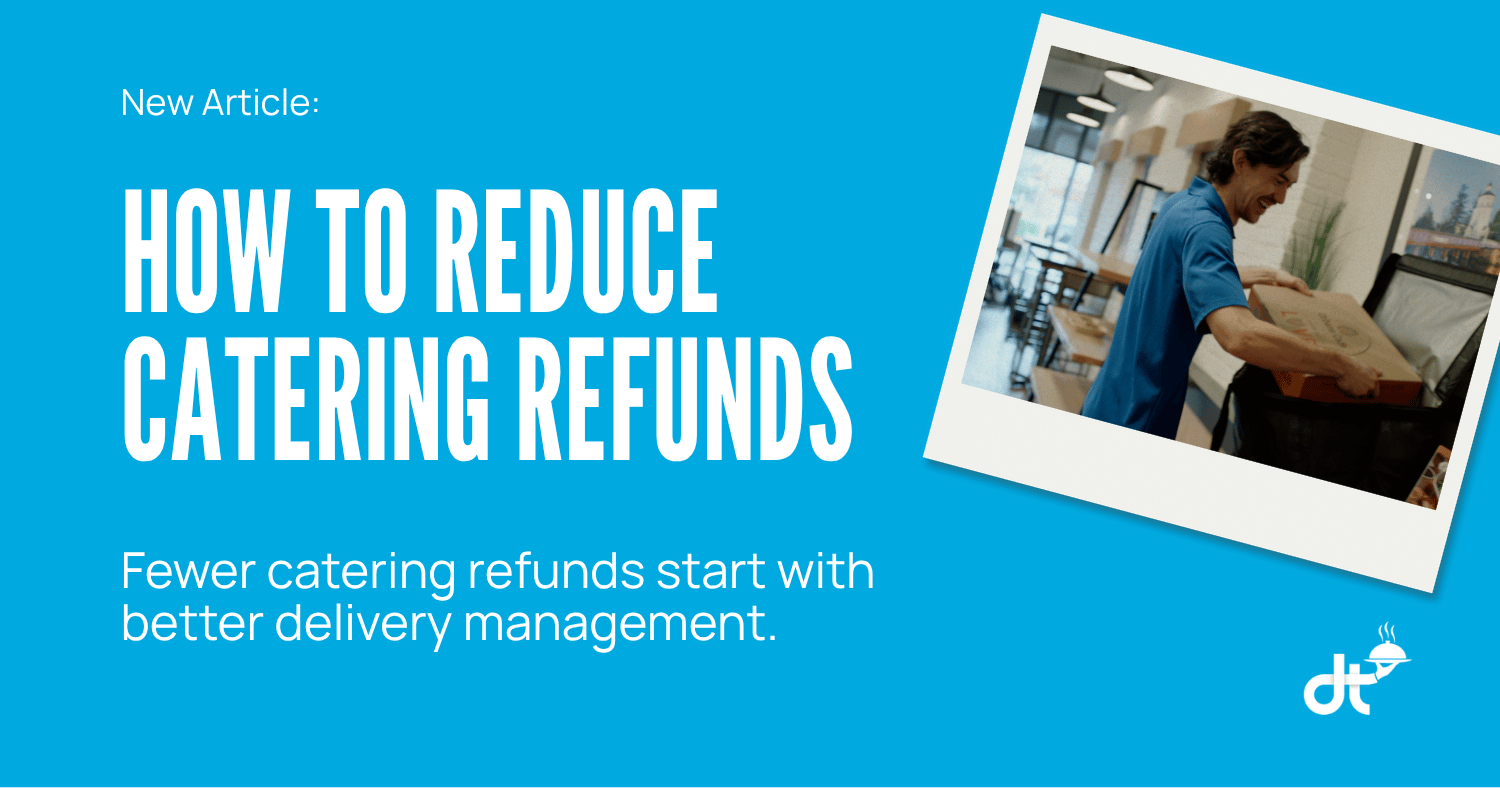
Learn how better restaurant delivery management can reduce refunds by improving handoffs, fulfillment decisions, visibility, and delivery performance.
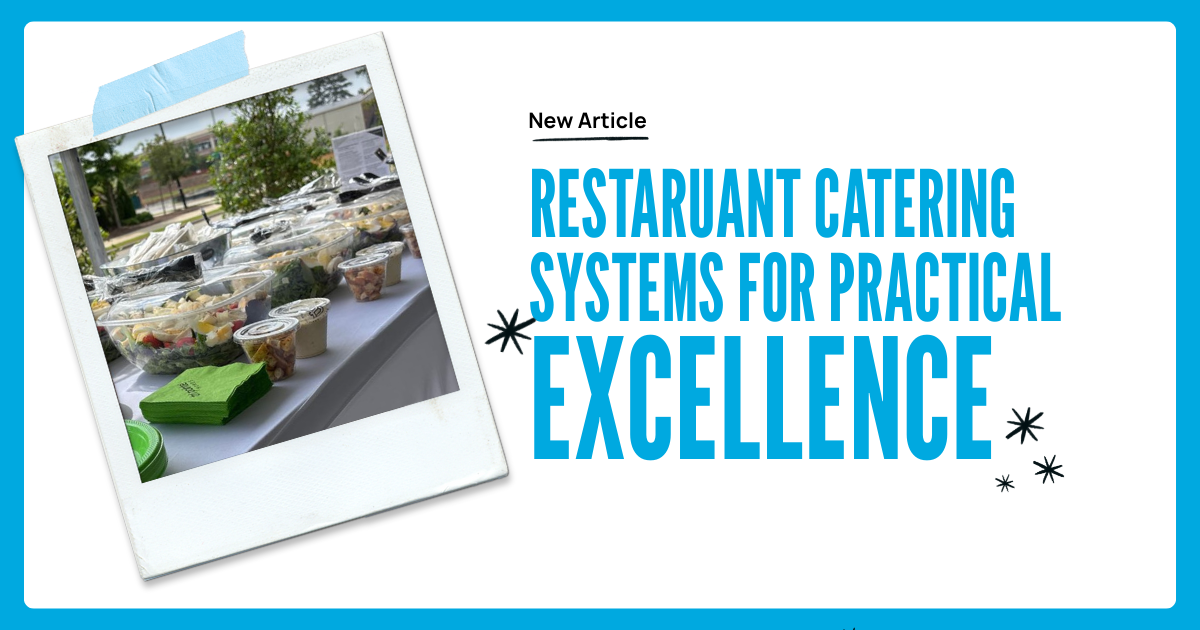
Success doesn’t always mean perfection in catering management. Learn about the restaurant catering systems that drive practical excellence vs. white...
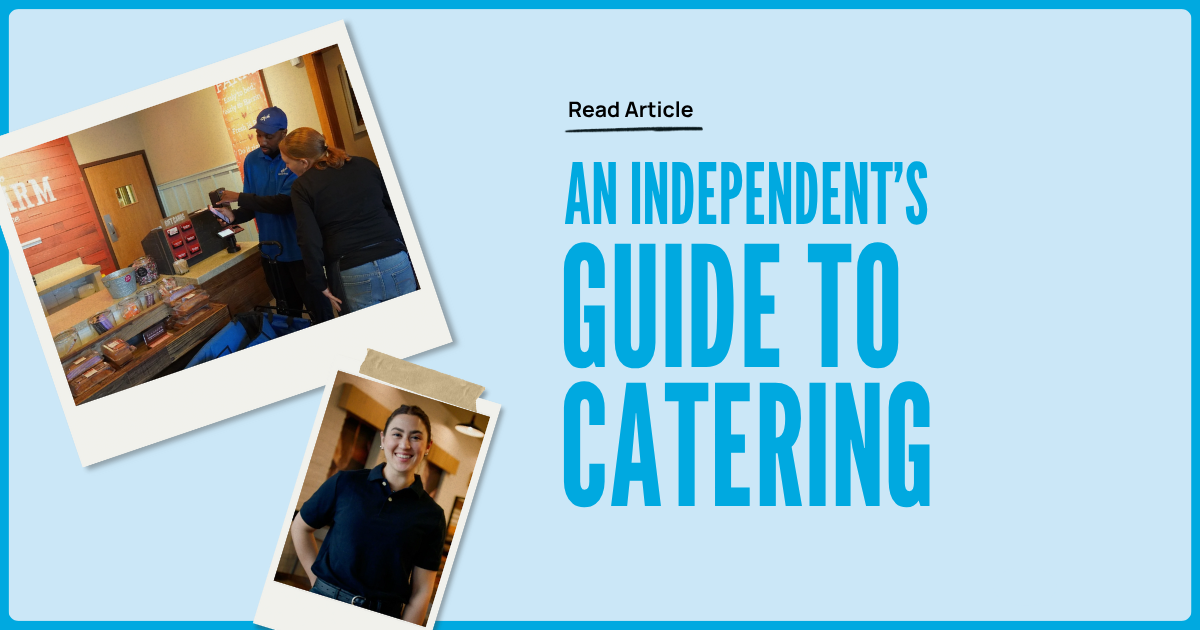
See how to grow a catering business that’s efficient and profitable as an independent restaurant, regional chain, or enterprise leader.