Improve Catering Delivery Fulfillment Rates: DeliverThat Gratuity Lift Program
DeliverThat's Gratuity Lift Program ensures every delivery reaches drivers with a guaranteed gratuity payout — closing the 10-point fulfillment gap...
Use our nationwide driver fleet or route orders across any DSP, and track every delivery in one dashboard, backed by a team that’s been doing this since 2013. Start with what you need, add what you want, and never get locked in.
See how brands control delivery, get practical advice for growing your catering program, and keep up with what’s changing in restaurant delivery.
5 min read
DeliverThat
:
Published
If you run catering for a multi-location brand, you know demand and driver supply rarely line up. On a busy Friday, one market has more orders than it has drivers to cover them, while another store keeps sending simple drop-offs through the most expensive option it has.
Both are signs of a delivery fulfillment gap, and every location tends to handle it its own way. Over time, that adds up to delivery costs you can't predict and a customer experience that shifts from one store to the next.
Fulfillment gaps like these can open when:
The good news is each of these has a fix, and most of them happen well before a delivery is ever at risk.
For most brands, the trouble starts before anyone requests a driver. Your catering orders likely come in through multiple channels, and for a lot of brands, a manager has to retype each one into a delivery system. Every time an order changes hands like that, it opens the door to risk.
Even once that order is in the system, each location still has to make its own call on how to get it delivered. That's where most of the gaps show up:
Closing fulfillment gaps starts with treating delivery as one program instead of a string of separate store-level decisions. DeliverThat's Delivery Orchestration makes that possible through a flexible fulfillment model. Every order lands in the same system, goes to the right provider and the right driver, and has a backup ready in case your first choice can't cover it.
The first change is all about where your orders show up. Orchestration connects with point-of-sale systems like Toast and online ordering platforms like Olo, plus the catering marketplaces you sell through, so orders can land in one place on their own. Your managers would no longer have to retype pickup and drop-off details, which takes away both the busywork and the mistakes that come with rushed entry. Taco Cabana saves about 30 minutes a day this way.
Connecting intake to routing is what makes the rest of the model work. A standard integration with restaurant delivery software just gets an order into the system, while orchestration also decides how that order gets delivered.
When every order goes to the same provider out of habit, you overpay on some and set others up to fall short. Instead, you set the rules, and the orchestration model handles each order from there.
Rules can look at whatever matters to your program:
Rules can go beyond choosing a provider, too. With driver badging, you can match orders to drivers who’ve earned a specific qualification. For example, drivers can review a brand’s setup preferences in the DeliverThat app and confirm they’ve read them. Once they do, that brand’s badge goes on their profile, so its orders can go to drivers who already know how the setup should be done.
No matter which provider you pick first, you also have a backup ready. If that first choice can’t cover a delivery, your preferred backup DSP is dispatched automatically. This is known as overflow delivery, and it means the order still goes out without a manager scrambling to find a driver.
That control turns delivery from a cost of doing business into something you can dial in and turn into margin. You stop overpaying on easy orders and stop shortchanging high-stakes ones, and the platform handles it for you automatically.
Good routing heads off most problems, but not all of them. A driver might cancel 10 minutes before pickup, or traffic might push an arrival past the start of a customer's meeting. No operations team can watch every live delivery closely enough to catch those moments, and throwing more dispatchers at it just drives up labor costs.
Orchestration can handle that watching for you. It would track each delivery after it's assigned, and when a delay looks likely, it would check the driver's location against the destination to figure out whether the order is going to arrive late. Then it would do whatever you'd set up ahead of time, like alerting your team or moving the order to a backup provider. Customers would stay in the loop the whole time through automated texts and tracking links that carry your brand, even when a third-party provider is doing the delivery.
Drivers choose which orders to take, and catering orders with no tip or a below-market tip tend to sit in the queue while drivers nearby grab something that pays better. When delivery is outsourced, every delivery offer in the area competes with your orders. Leave gratuity to the customer, who may not understand how the delivery is being fulfilled, and your fulfillment rate depends on how generous the person placing each order happens to feel that day.
A brand-level gratuity strategy treats the tip as part of what it costs to get a catering order fulfilled, in the same category as packaging and labor. Through a Gratuity Lift Program, DeliverThat analyzes driver market conditions in each area and sets a guaranteed gratuity, so every order is worth a driver's time. Fulfillment rates climb from 85% to over 95%, and your overall cost of delivery actually goes down.
The driver who walks in with a catering order represents your brand to the customer. Today, how that handoff goes often depends on which store the order comes from and who happens to be working that day. When nobody has time to walk a driver through the setup, the customer is the one who notices.
Orchestration moves those instructions into the order itself. You define what a finished setup looks like and how drivers should handle the handoff, and those instructions go out with every order. A customer in one market gets the same experience as a customer in another.
The last piece ties your day-to-day operations back to the questions leadership keeps asking about cost and performance. Orchestration can pull delivery data from every provider into one place, so you can see how each one performs at each location and adjust your rules based on what you find.
That same data would also give you clear numbers to bring to finance. Instead of explaining delivery costs with rough estimates, you could show how each provider is performing and why your rules send orders where they do. That makes it a lot easier to make the case for growing catering, because the results are there to back you up.
Think back to that busy Friday, when one market had more orders than drivers. It doesn't have to end with canceled orders and frustrated customers. When every location works from the same fulfillment strategy, the system already knows where each order should go and what to do if the first choice falls through. Instead of each store trying to solve the fulfillment gap on its own, it becomes something your team manages on purpose.
That's what makes catering growth feel predictable, whether you run a handful of markets or a national footprint. Your delivery costs follow the rules you set, and a customer ordering in one city gets the same experience as a customer ordering in another. Best of all, your stores can say yes to more catering orders without wondering whether each one will make it out the door.
Every brand's provider mix and markets look a little different, so the right setup depends on where and how you operate. To see how this could work for yours, explore DeliverThat Delivery Orchestration.
DeliverThat's Gratuity Lift Program ensures every delivery reaches drivers with a guaranteed gratuity payout — closing the 10-point fulfillment gap...
One structural gap in how gratuity flows to independent drivers is quietly undermining catering delivery coverage rates. Here's what's happening and...
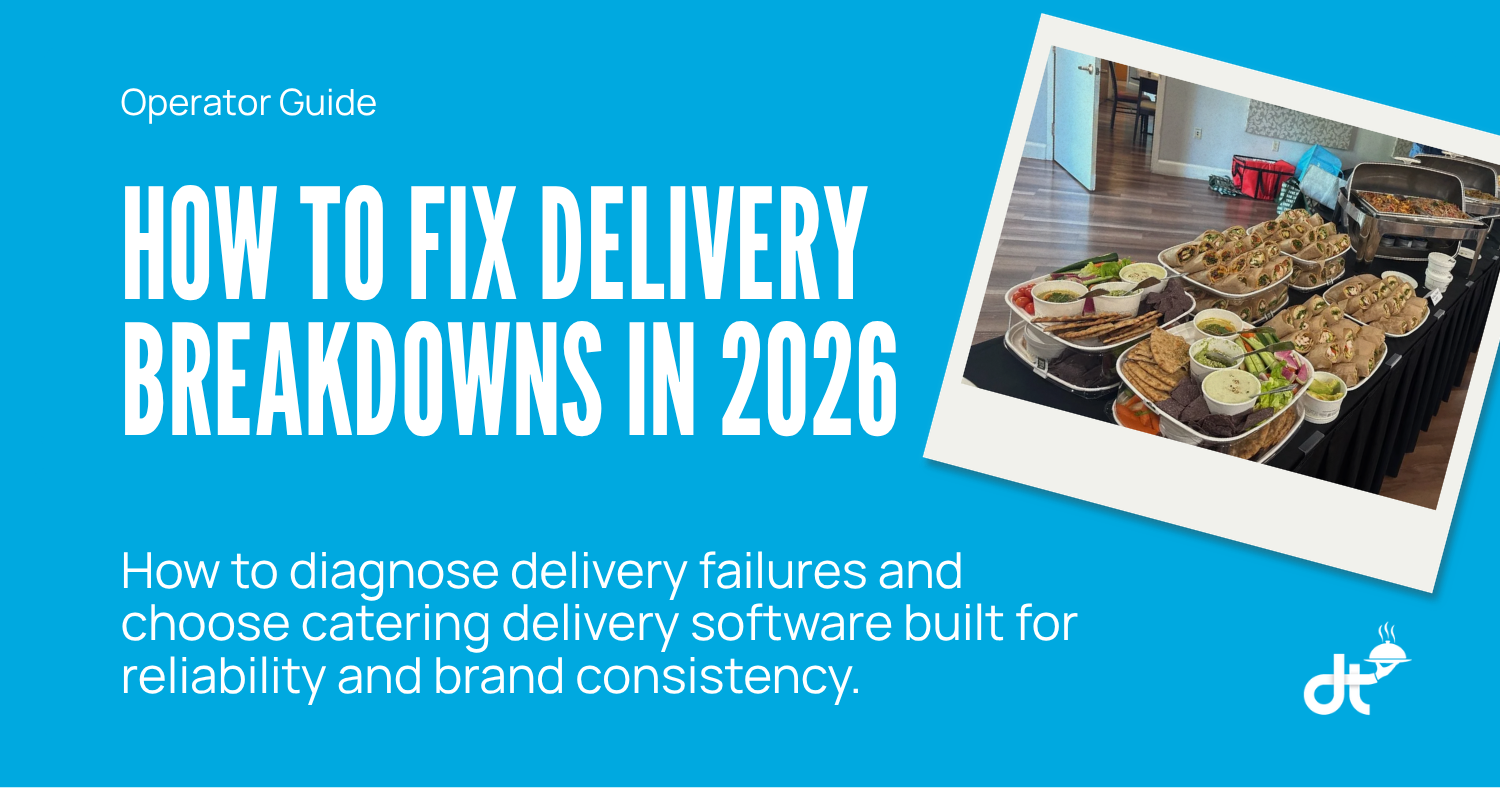
Catering delivery software should stop breakdowns, not just track them. See how to diagnose failures and standardize delivery across every location.
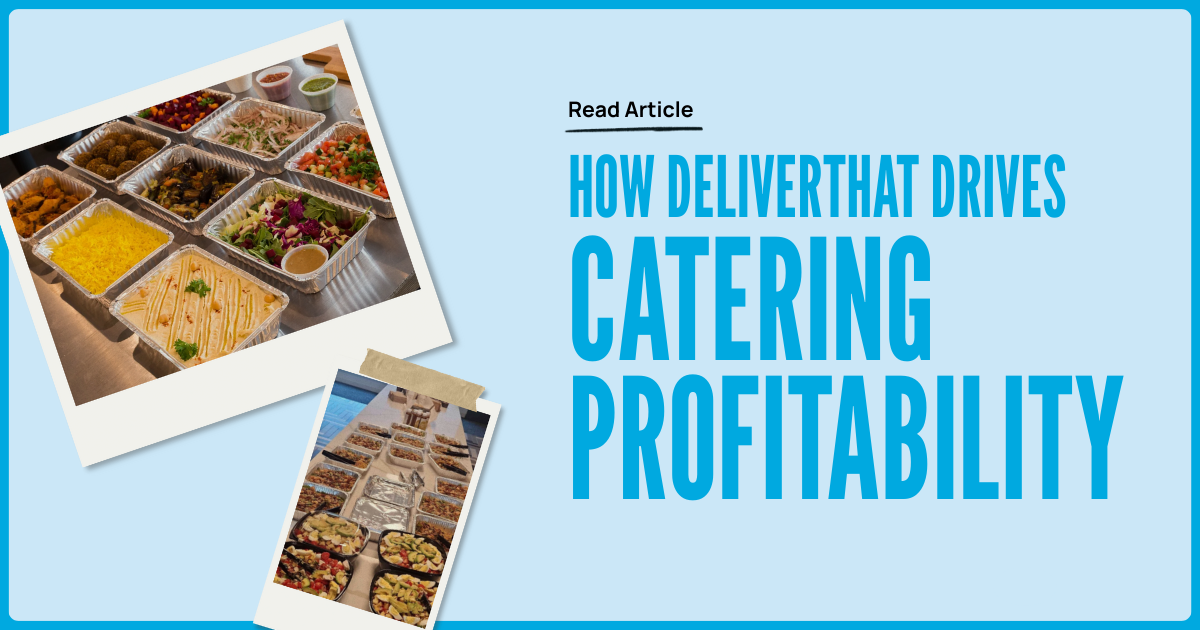
Explore how DeliverThat enhances catering delivery with cutting-edge tech. Discover scalable solutions for catering delivery profitability.
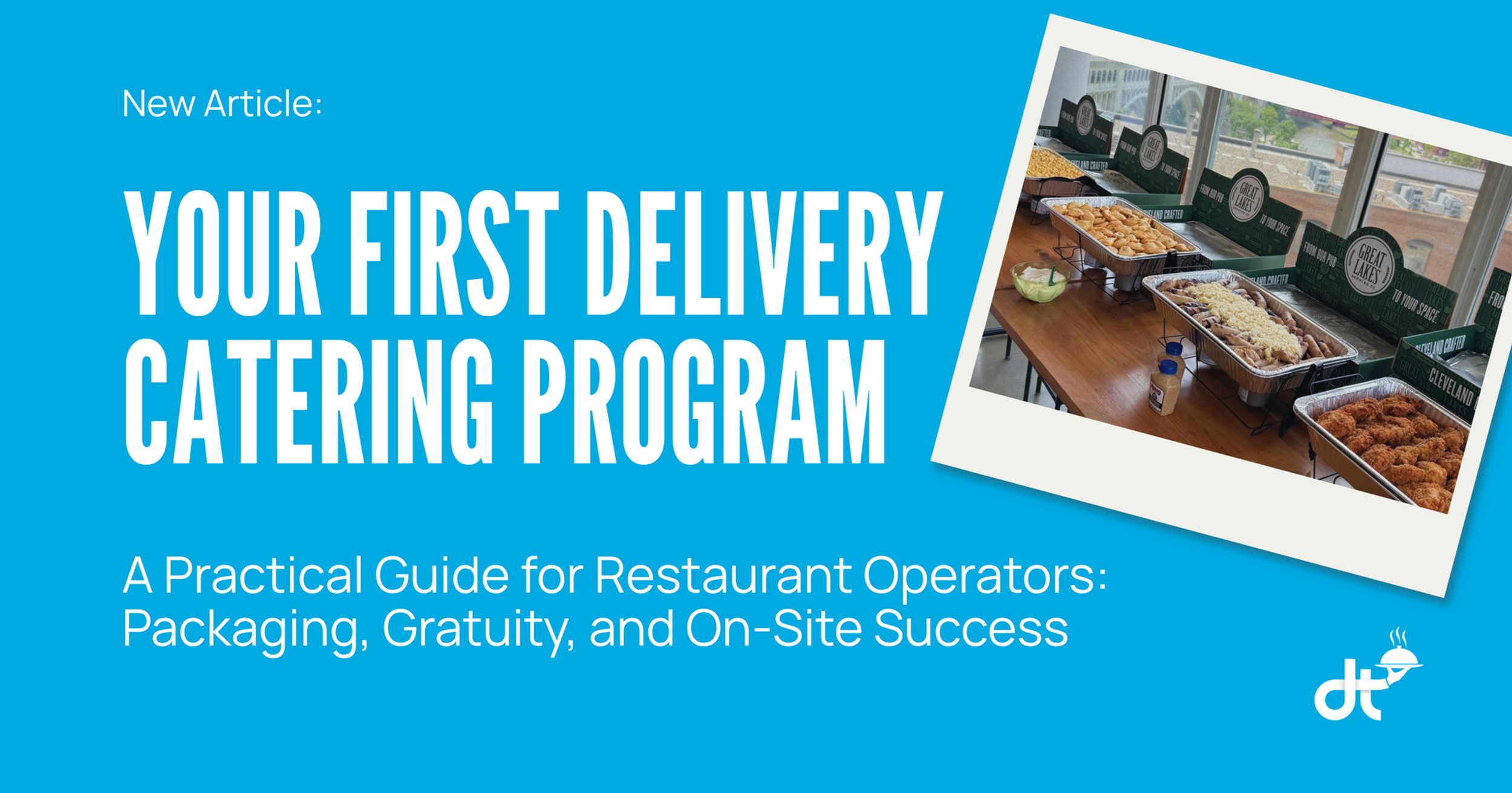
Launching catering delivery? Learn how to package orders, set drivers up for success, and ensure reliable delivery every time with DeliverThat.
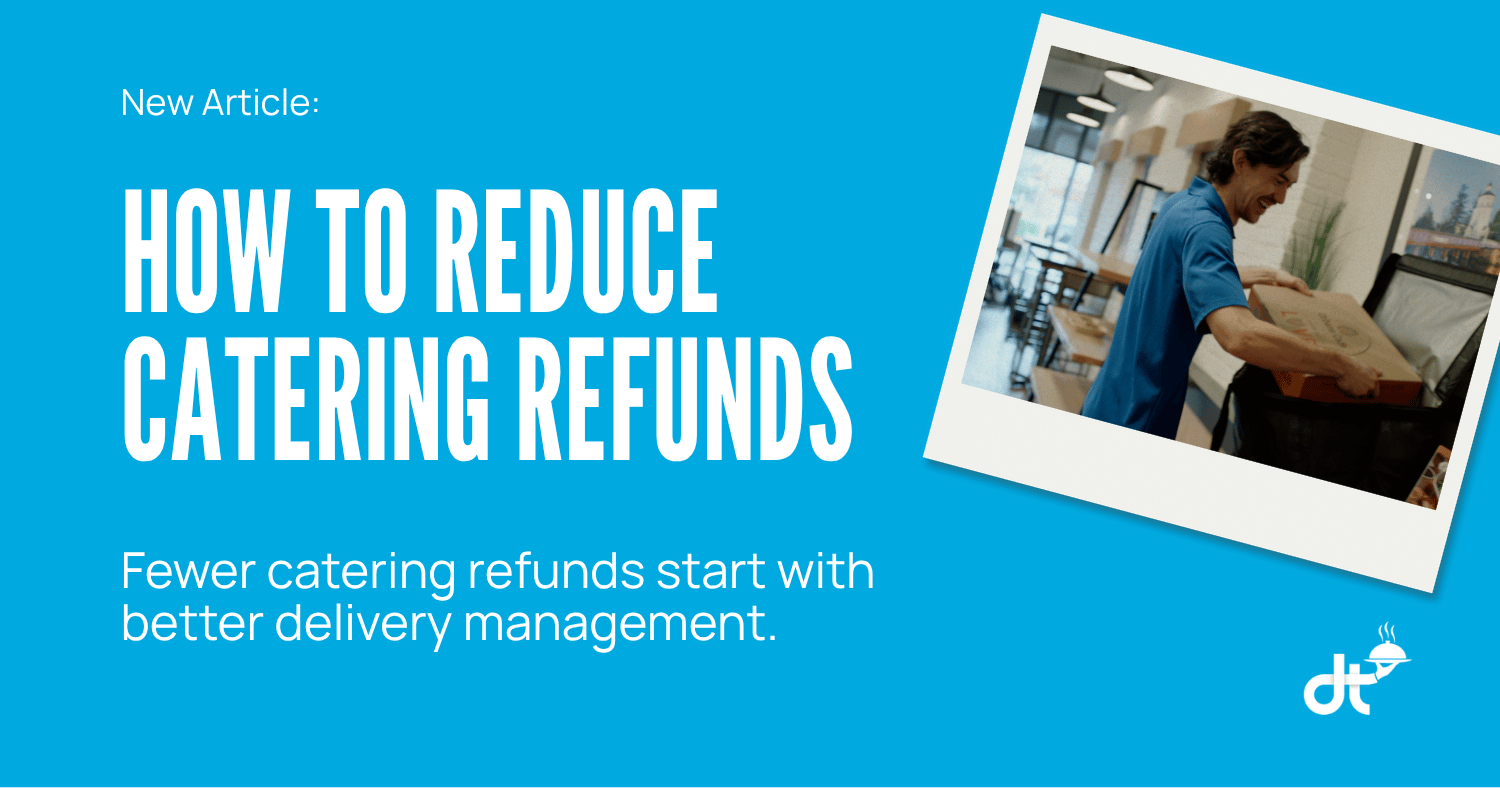
Learn how better restaurant delivery management can reduce refunds by improving handoffs, fulfillment decisions, visibility, and delivery performance.