
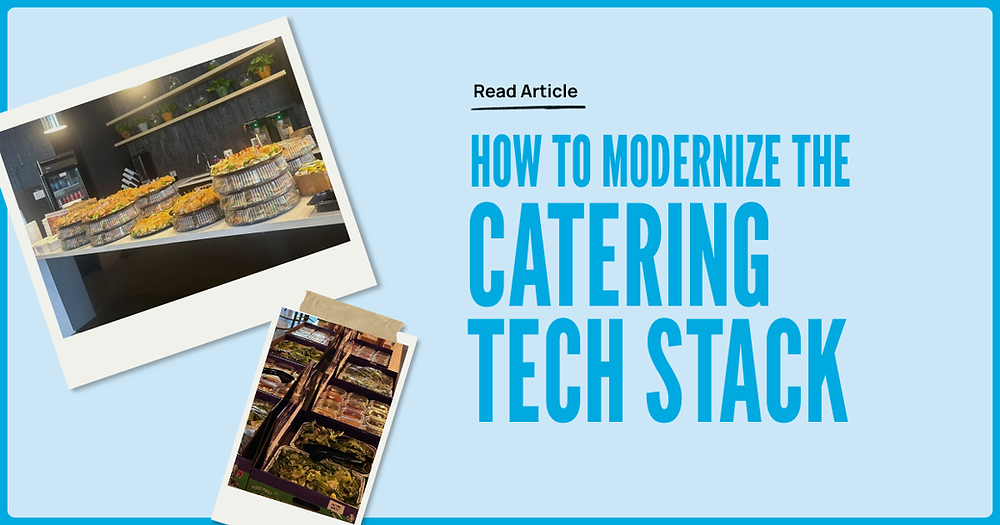
How To Modernize the Catering Tech Stack
Learn how to modernize your catering tech stack with integrated tools that reduce manual work, improve visibility, and support scalable growth.
Use our nationwide driver fleet or route orders across any DSP, and track every delivery in one dashboard, backed by a team that’s been doing this since 2013. Start with what you need, add what you want, and never get locked in.
See how brands control delivery, get practical advice for growing your catering program, and keep up with what’s changing in restaurant delivery.
There’s a sea of delivery service providers (DSPs) that sell catering logistics software, claiming to streamline operations. You’re likely already using one. However, this software often creates more friction than flow.
The good news is that catering delivery can turn from a necessary evil to a profit center if you use tools that are purpose-built for catering. They’re different than traditional DSPs because they:
Function efficiently
Actually empower you, the operator
Drive a profit
Read on for tips and tricks you can start implementing for a smarter catering tech stack. I’ll cover how you can eliminate manual steps, unify data, and scale alongside regional growth plans for a more successful catering delivery business. Here we go!
Many enterprise brands fall into the trap of over-engineering their catering workflows or worse, layering on tech platforms that don’t talk to each other.
From missed orders to hours lost chasing support tickets, the wrong tools often cause more problems than they solve. They create friction instead of removing it, especially when your goal is to run a profitable, efficient off-premise program.
The reality is that building a seamless catering operation requires a clean handoff from sales to prep, to delivery, and to follow-up. That’s hard to do with disconnected tools or redundant systems.
Instead of juggling multiple point solutions, operators scaling off-premise success often start with a tightly integrated catering management software. The right platform should:
Enable online ordering and internal order entry
Streamline communication with the kitchen
Centralize visibility across departments
From what I’ve seen, this is one of the smartest investments an operator can make when aiming to scale. It brings clarity to each phase of the catering workflow without the fluff that slows things down.
When you're ready to extend beyond internal ops, the next step is finding a catering logistics software solution that helps orchestrate delivery. A good one reduces operational strain, improves accuracy, and protects your brand at the handoff point.
Choosing the right catering management software starts with understanding your operation. It needs to integrate with your current tech stack and serve the way you actually work.
A few ways to narrow your options:
Talk to peers who run similar-sized catering programs and ask specific questions about their software stack.
Learn where their tools have been most helpful and where they’ve created gaps.
Prioritize platforms that connect order capture, kitchen prep, and delivery rather than solving just one piece in isolation.
In my experience, DSPs who believe in their product are usually open to pilot programs or test runs. When evaluating vendors, look for one that’s willing to demonstrate how their tool performs in your ecosystem without requiring a long-term contract upfront.
The bottom line is to keep your toolset focused. Invest in technology that simplifies your workflows and scales with your growth, not one that adds more complexity to manage.
When your delivery, POS, and ordering systems are connected, something powerful happens: you stop guessing and start knowing.
From real-time tracking to unified performance dashboards, operators gain visibility across every order and every location. That kind of clarity transforms how you manage and scale catering.
When your catering systems are streamlined into one dashboard, key decisions become faster and smarter. You can zoom out to spot trends across regions or locations, or drill into a single order to understand what went wrong.
For example, if on-time delivery rates drop at one store, a connected platform lets you investigate by reviewing individual order logs or delivery records. If refund rates spike, you can pinpoint if it’s a setup issue, a driver delay, or a handoff breakdown. Without this level of insight, you're stuck playing defense instead of diagnosing and fixing problems proactively.
Customers expect transparency. They want to know their order was received, that it’s being prepped, and that it will arrive when expected. Real-time tracking helps deliver that peace of mind.
One of our merchants found that by giving customers visibility into their delivery status, their refund rate dropped because even when there was an issue, customers appreciated the communication.
Without end-to-end visibility, you’re flying blind. Operators often don’t know there’s a delivery issue until a customer calls to complain, or worse, doesn’t call at all and simply doesn’t return.
Integrated systems like what we’ve developed at DeliverThat let you enforce standards through tools like photo verification of setups, timestamped delivery logs, and real-time alerts. That’s how operators stay ahead of issues before they turn into revenue loss or reputational damage.
Enterprise growth introduces complexity. The right catering tools simplify it. Choosing systems built specifically for catering lets operations grow without doubling headcount or setting off new fire drills every time a large order comes in.
Catering is a distinct operational model. The worst mistake execs make is trying to retrofit general restaurant tech into catering workflows.
If you're evaluating your tech stack, prioritize solutions built for catering:
Catering order management platforms
CRM systems that support high-touch B2B workflows
Delivery orchestration tools built to handle large, pre-scheduled orders
Menu management systems that reflect bundled or seasonal offerings
Feedback tools to close the loop on service quality
Trying to make a one-size-fits-all platform work for catering usually leads to bloated admin work and missed execution details.
For brands scaling their off-premise programs in the next 6-12 months, here’s what the foundation should include:
A catering management software platform for capturing and managing orders
CRM + sales tools for your catering sales team
A catering logistics software solution to manage deliveries in-house or through trusted partners
Quality assurance systems (e.g., driver tracking, photo proof, customer alerts)
Feedback and reporting tools to identify issues from the guest, driver, and store level
When these tools work together, you can grow sustainably, with fewer headaches and better margins.
Disconnected systems are inconvenient at best and silent profit killers at worst. They drain time, hide performance issues, and make scaling harder than it needs to be. It doesn’t have to be this way. A unified tech stack lets catering leaders replace chaos with control and turn operations into a true growth engine.
Learn how DeliverThat integrates seamlessly with your existing platforms. We give operators one dashboard, one support team, and fewer things to chase.
Learn how to modernize your catering tech stack with integrated tools that reduce manual work, improve visibility, and support scalable growth.
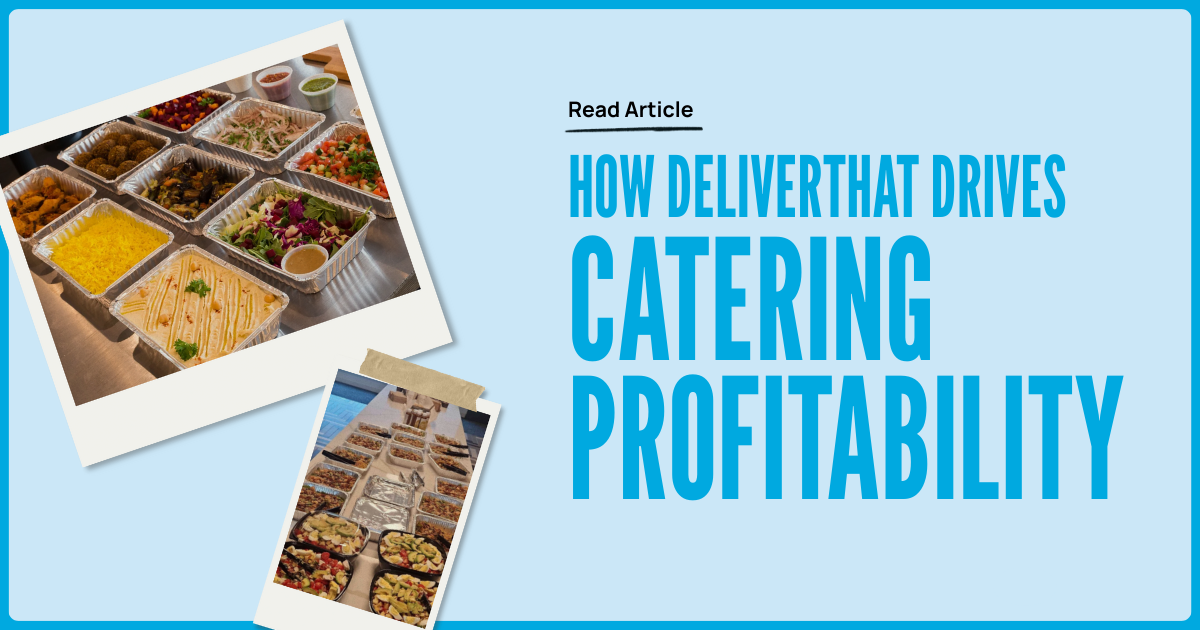
Explore how DeliverThat enhances catering delivery with cutting-edge tech. Discover scalable solutions for catering delivery profitability.
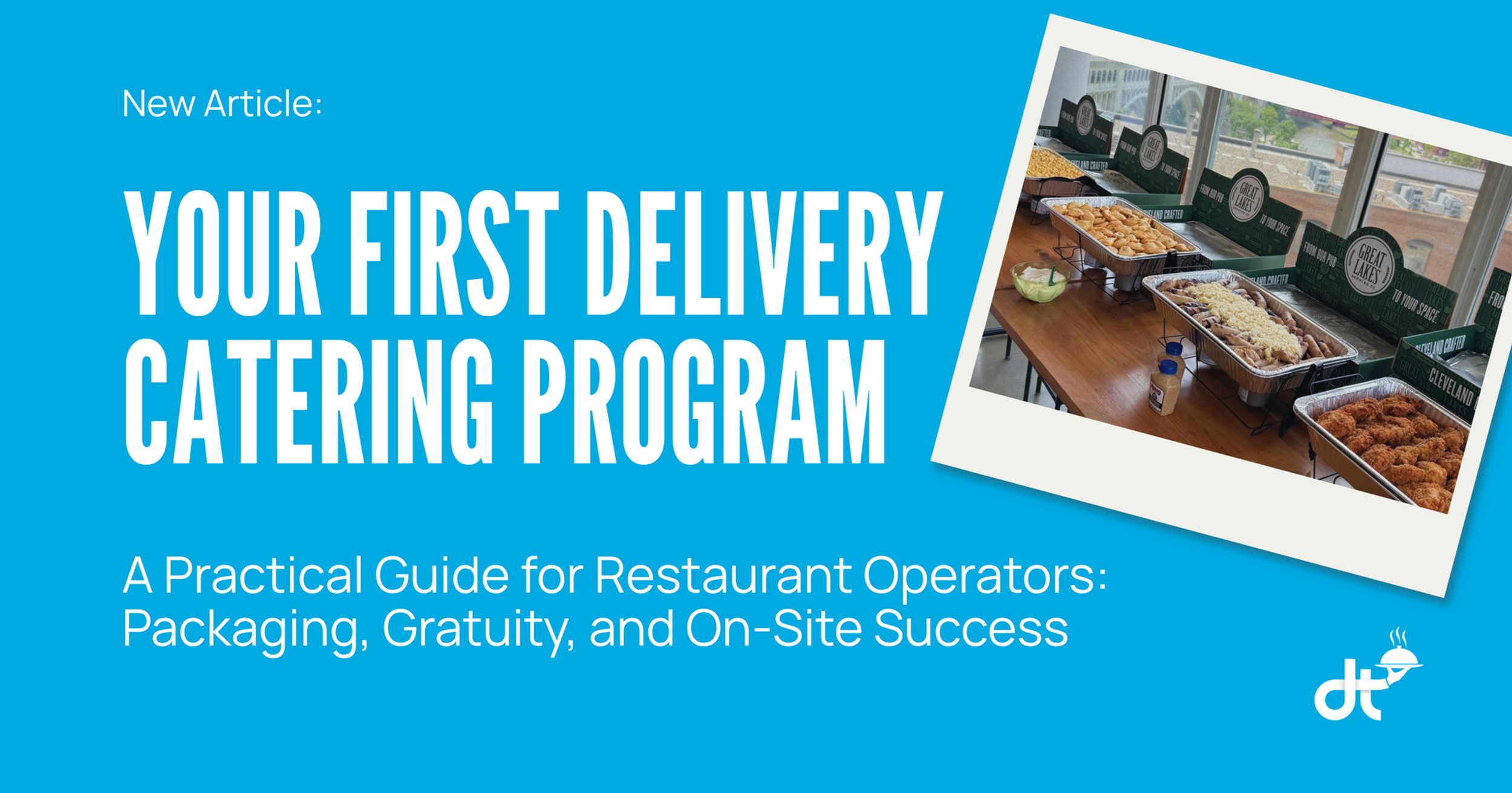
Launching catering delivery? Learn how to package orders, set drivers up for success, and ensure reliable delivery every time with DeliverThat.
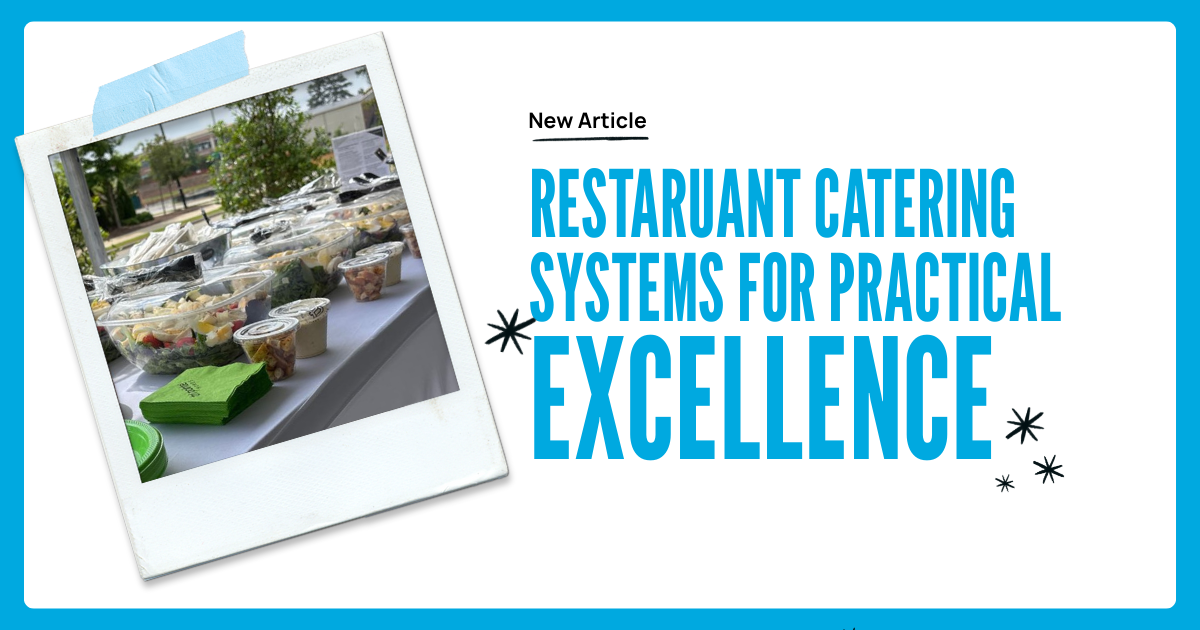
Success doesn’t always mean perfection in catering management. Learn about the restaurant catering systems that drive practical excellence vs. white...
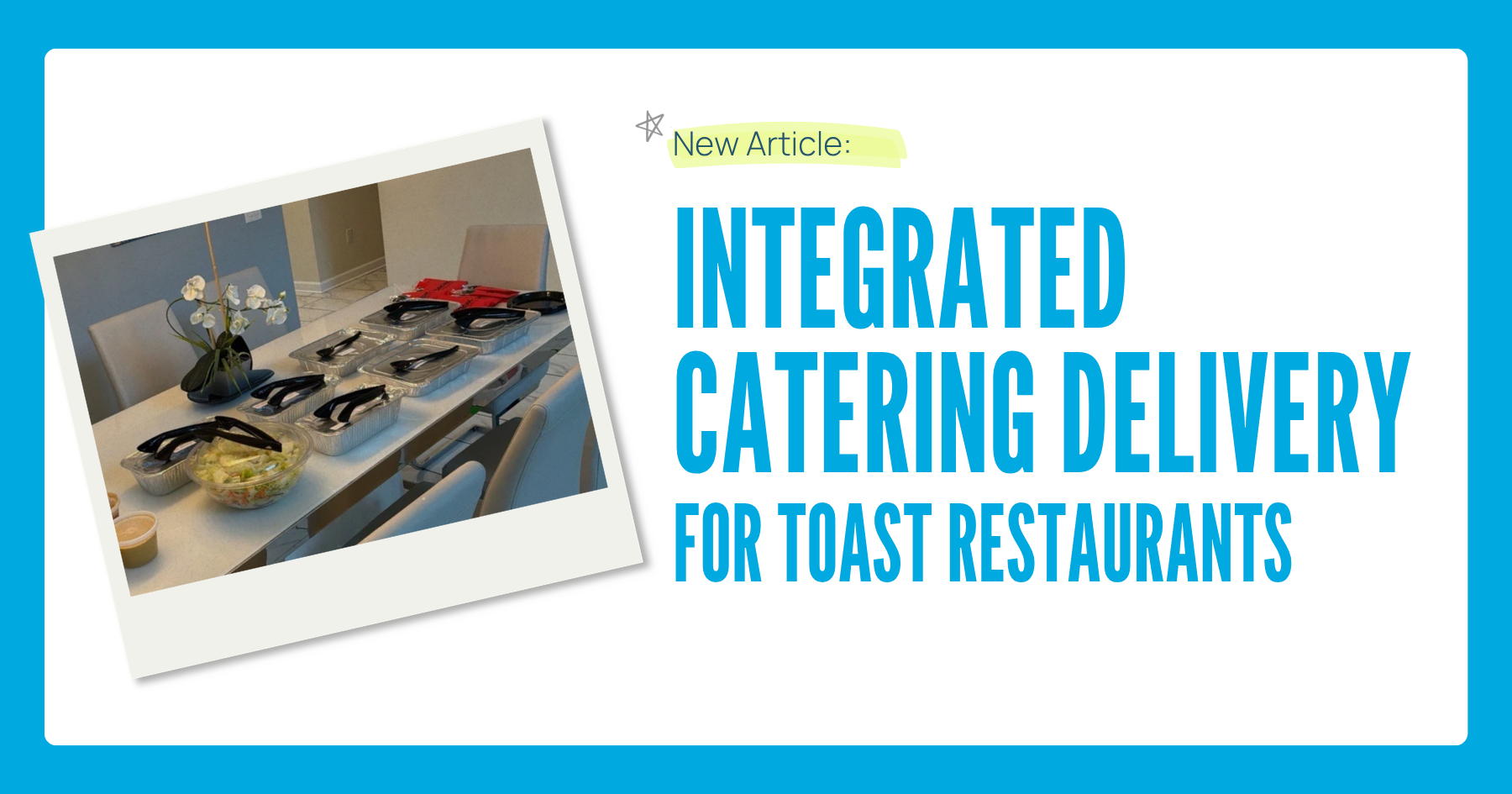
Connect DeliverThat directly on your Toast point of sale. Reduce manual steps and scale catering with end-to-end integrated delivery.
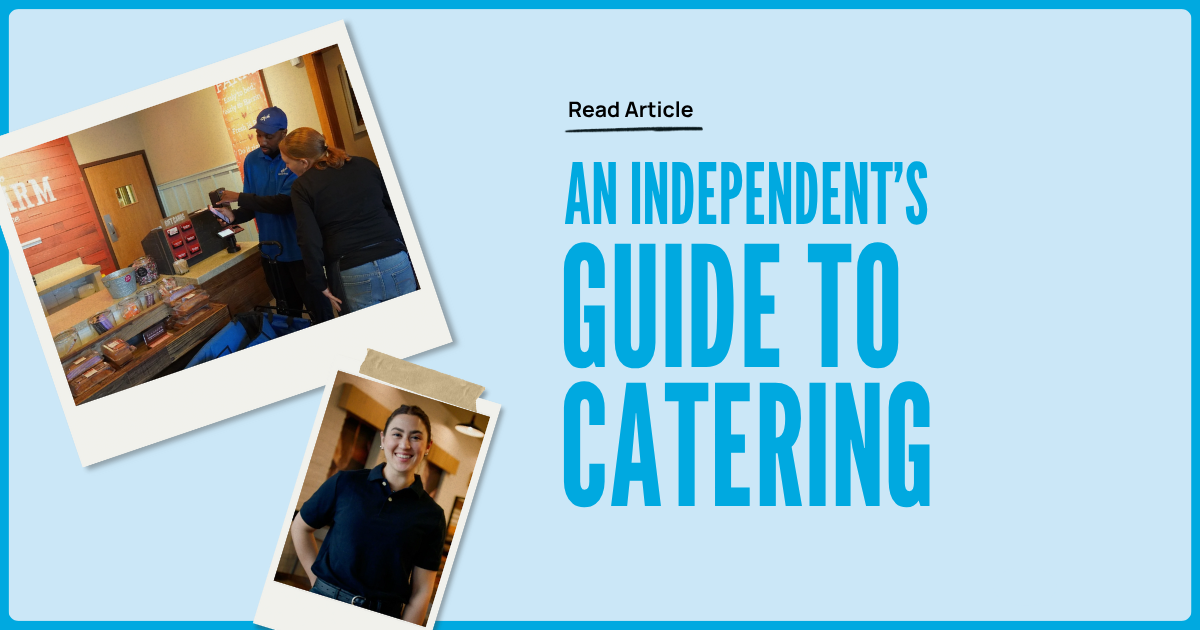
See how to grow a catering business that’s efficient and profitable as an independent restaurant, regional chain, or enterprise leader.